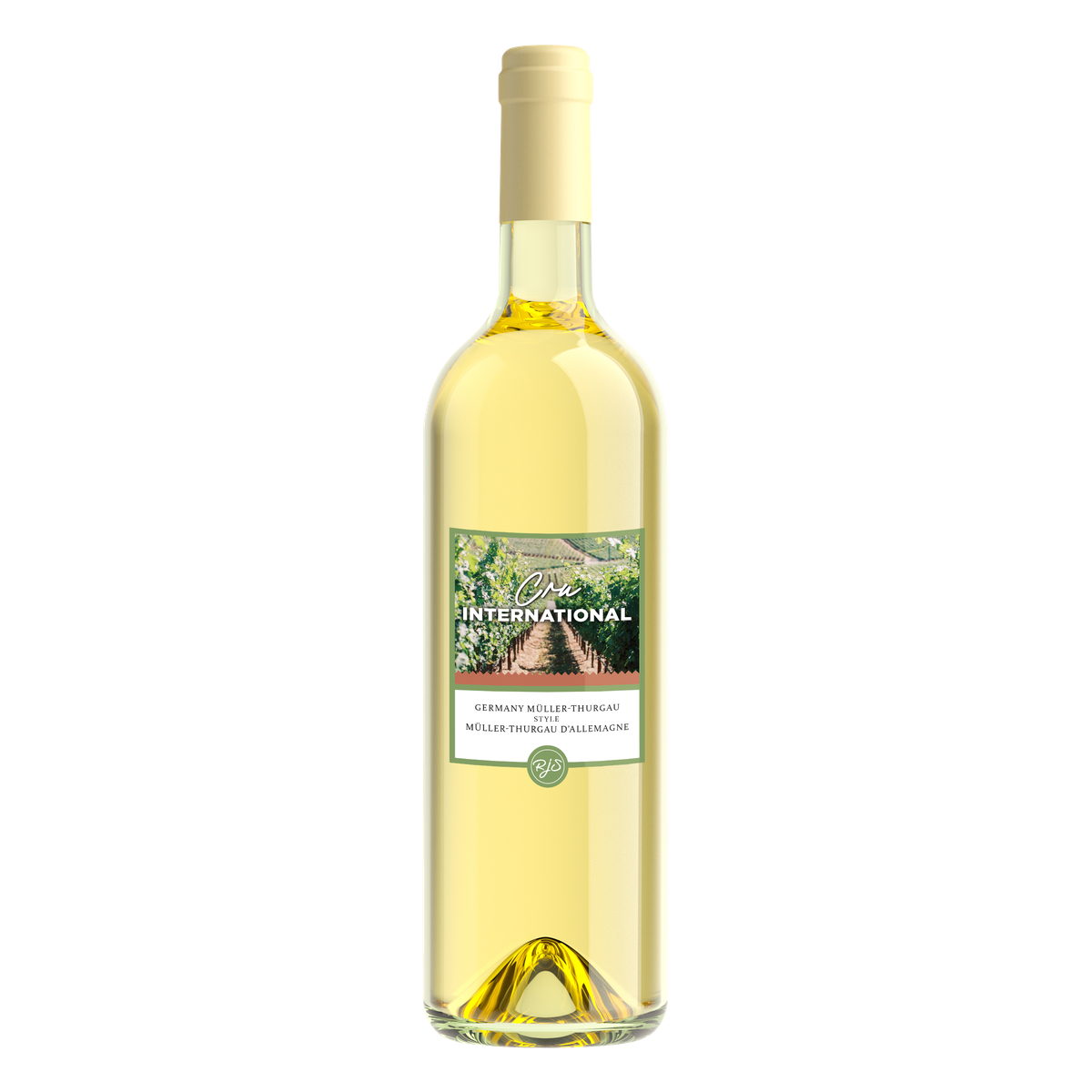
Müller-Thurgau
The Grape
A white wine grape predominantly grown in Germany, Müller-Thurgau played a role in rebuilding Germany’s wine industry after World War II. It was first created in 1882 by crossing Riesling with Madeleine Royale, a table grape. It was named after Professor Müller of Thurgau, who created the cross. Müller-Thurgau requires less sun and doesn’t need too much help from the climate to properly grow.
The Wines
Easy on the palate, youthful and refreshing, a Müller-Thurgau is an uncomplicated white wine that is perfect for every day. Subtle in aroma and mild in acidity, Müller-Thurgau wines are generally light-bodied with a flowery bouquet. In comparison to other German wines, they have a lighter acidity. However, the lower acidity means these wines age relatively quickly. The mild profile of Müller-Thurgau are often compared to Muscat.
The Occasions
If you just want to enjoy an evening in and curl up and read a great novel or kick your feet up and do a lot of nothing, try sipping on a glass of Müller-Thurgau. These are usually uncomplicated wines for everyday drinking and best be consumed young. Try them with popcorn or potato chips.